Searching for city of weiser idaho ransomware data breach past 18 months usually means you want one simple answer: was there an incident, and does it put your information at risk? I understand the concern. A local-government ransomware story can sound personal when you have paid a utility bill, contacted a city office, used a public service, or shared information with a municipal department.
The important first step is separating a confirmed event from an unverified search result, social-media post, or recycled article. I cannot responsibly state that the City of Weiser suffered a confirmed ransomware breach without a current official notice, law-enforcement record, or reliable local reporting that identifies the event. A system outage alone does not prove ransomware, and ransomware does not automatically prove that resident data was copied.
What the search phrase actually tells you
The phrase city of weiser idaho ransomware data breach past 18 months is a useful starting point, but it is not evidence by itself. Search engines combine words from many pages, including old incidents, generic cybersecurity discussions, vendor alerts, and unrelated references to Idaho municipalities. Dates can also be misleading when an old story is republished or a page is updated without clearly changing its publication date.
A confirmed breach normally involves several separate facts. First, an organization acknowledges an intrusion, encryption event, or service disruption. Second, investigators determine whether an unauthorized person accessed or removed files. Third, the organization decides whether specific people must receive notice under applicable breach laws. Those steps can take weeks or months, so the first outage announcement may contain very little detail.
For Weiser residents, the most useful sources are the City of Weiser’s official website, city social-media accounts, meeting agendas, public notices, and direct correspondence from a city department. Idaho’s Attorney General breach-notification resources can also help you understand whether a formal notice exists. A credible notice should identify the affected organization, approximate incident dates, information involved, and contact instructions.
How to verify a Weiser incident without chasing rumors
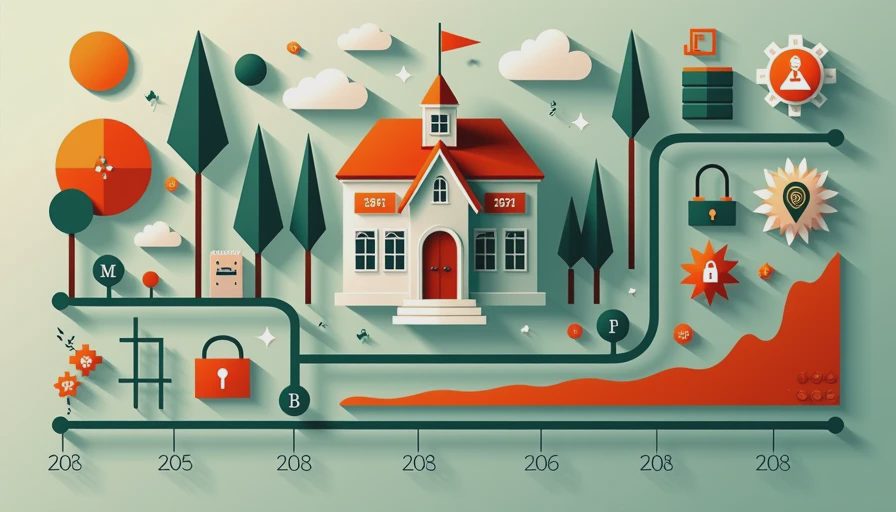
Use a short verification process rather than opening dozens of alarming links. Start by searching the city’s official domain for terms such as ransomware, cybersecurity, data security, incident, breach, notification, and outage. Then check dated city council materials. Municipal incidents sometimes appear in an agenda packet or administrator’s report before they receive broad news coverage.
Next, compare the wording across sources. A statement saying “some systems are unavailable” is different from “an unauthorized party accessed personal information.” A statement saying an investigation is ongoing is not the same as a finding that Social Security numbers, bank details, or passwords were exposed.
If you receive an email or letter, do not use its links automatically. Type the city’s known website into your browser, call a publicly listed phone number, or look up the notification administrator independently. Scammers sometimes imitate a breach notice because worried residents are more likely to click quickly. Real notices should not require you to provide a password, one-time authentication code, or full banking credentials to “secure” an account.
The city of weiser idaho ransomware data breach past 18 months search should therefore end with a source and date, not just a headline. Save a PDF or screenshot of any official notice, including its contact number and the categories of information described.
What to do if your information was involved
If an official notice confirms exposure, match your response to the information named. For an exposed email address, expect more phishing and use a unique password with multi-factor authentication on that email account. For a Social Security number, consider a free credit freeze with Equifax, Experian, and TransUnion. A freeze does not affect your existing credit cards, but it can make it harder for someone to open new credit in your name.
For exposed payment information, review bank and card transactions and contact the financial institution through its app or a number printed on a statement. Do not wait for a suspicious charge before replacing a compromised debit card. If an account number or login was exposed, change that password anywhere it was reused. This is often more valuable than installing a random security app.
Minimum effort: change the affected password, turn on multi-factor authentication, review account alerts, and freeze credit if a government identifier was included. If you want to go further, download your credit reports from AnnualCreditReport.com, document every call, and use the monitoring service offered in the official notice. Monitoring can alert you to changes, but it cannot prevent every form of identity theft.
What if there is no confirmed notice?
No confirmed notice does not mean you need to panic or ignore basic precautions. It means the response should stay proportional. You do not need to replace every card, delete your accounts, or pay for an identity-protection subscription solely because the words city of weiser idaho ransomware data breach past 18 months appear in a search.
Instead, secure the accounts most likely to matter. Your primary email should have a long, unique password and an authenticator-based or hardware security key option if practical. Your bank and credit-card accounts should have transaction alerts. Your password manager, if you use one, should have a strong master password and current recovery information. These steps protect you from ordinary phishing and reused-password attacks, whether or not a municipal incident occurred.
Also consider your relationship with the city. A utility account may contain a name, address, phone number, email address, payment history, or partial payment details. That information can help a scammer sound convincing, even when it cannot directly access your bank account. Treat an unexpected refund, late-fee warning, or account-verification message as suspicious until confirmed through an official channel.
A calm decision for residents
The city of weiser idaho ransomware data breach past 18 months question deserves verification, not a dramatic conclusion. If the city confirms that personal information was accessed, follow the notice closely, freeze credit when appropriate, and secure reused passwords. If available records describe only a service outage or investigation, keep checking official updates but do not invent details that have not been published.
My practical recommendation is to spend 15 minutes today on your email security and bank alerts, then bookmark the City of Weiser’s official contact page. That work has value even if no breach occurred. You don't have to do everything. Just do the next thing.


No notes yet — be the first to inscribe one.