A zelle scam often starts with a normal-looking message: your bank account needs verification, a package payment failed, or a relative urgently needs help. I have seen how quickly a familiar payment app can turn a small moment of trust into a difficult recovery process. The useful response is not panic. It is recognizing the event chain, stopping further payments, and reporting the issue promptly.
How a Zelle scam usually works
Zelle transfers money directly between eligible bank accounts, which makes the service convenient but different from a credit card purchase. In many cases, a completed payment cannot simply be reversed from the app. That is why scammers try to make you authorize the transfer yourself.
A common zelle scam begins with impersonation. Someone may pretend to be a bank employee, a friend, a seller, a landlord, or a family member. The message may include your name, a familiar logo, or details taken from social media. The scammer then creates pressure: move money to a “safe” account, pay a deposit immediately, or send a code to confirm your identity.
The fake bank representative is especially effective because the caller may already know your financial institution. Caller ID can be spoofed, and a phone number that looks official is not proof of identity. Real bank employees should not ask you to transfer money to protect it or share a one-time passcode over an unsolicited call.
Another pattern involves an online marketplace. A buyer sends a fake payment notice, claims an overpayment, or asks you to refund money before the original transfer has actually settled. Screenshots and emails are easy to fake. Open your bank app directly instead of trusting a message that says funds are waiting.
What to do after a zelle scam payment
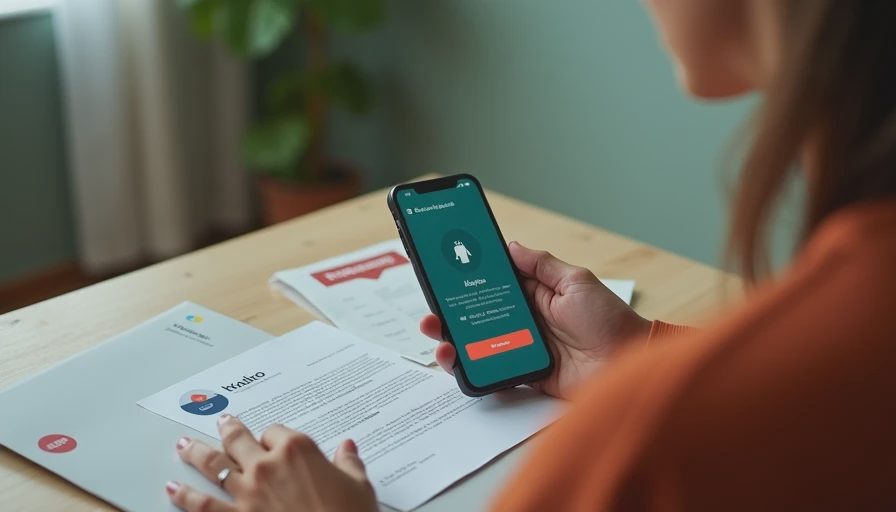
Speed matters, but a calm sequence is more useful than frantic searching. First, stop communicating with the person and do not send a second payment to “unlock” or recover the first one. Recovery scammers often target people who have already reported a loss.
Next, contact your bank using the phone number printed on your debit card, shown inside the official banking app, or listed on an account statement. Explain that you authorized a transfer because of suspected fraud or impersonation, and provide the date, amount, recipient information, messages, and phone numbers involved. Ask the bank to open a fraud case and tell you what documentation it needs.
If your bank offers Zelle through its own app, the bank is generally the right first contact. If you use the standalone Zelle app, use its official support channel. Do not search for a random support number in a social media comment. Save screenshots, but do not keep negotiating with the scammer while you gather evidence.
Change your online banking password if you shared credentials or clicked a suspicious login link. Review recent transactions, remove unfamiliar devices or sessions if the bank provides that option, and turn on transaction alerts. If your email account was involved, secure it too, because email access can help an attacker reset other accounts.
Minimum effort: make the next payment harder to misuse
The minimum-effort fix is simple: never act on an unexpected request to move money, even when the caller knows your name or appears to know your bank. End the conversation and call the organization through an independently verified number. That short pause defeats many attacks.
For routine payments, confirm the recipient before sending. Check the phone number or email character by character, especially when paying a contractor, buying something from a stranger, or sending money to a new contact. A saved contact is safer than copying payment details from a text, but it is still worth checking when the amount is large.
Set bank alerts for transfers, new payees, password changes, and login attempts. A $10 or $25 alert can be useful because it confirms that notifications work before a larger transaction occurs. Keep your phone’s operating system and banking app updated, and use a screen lock that others cannot guess.
A zelle scam is much less likely to succeed when an attacker cannot create urgency and cannot quietly observe your account. You do not need a complicated security setup to create those two barriers.
If you want to go further
Use multi-factor authentication on your email and bank accounts, preferably with an authenticator app or passkey when those options are available. Text-message codes are better than no second factor, but they can be exposed through account takeover or phone-number attacks.
Consider lowering transfer limits if your bank allows it, particularly for an account used mainly for bills. Some people keep a separate checking account for everyday spending and avoid linking every financial account to payment apps. This is not mandatory, and it can create extra maintenance, but it can limit the damage if one account is compromised.
Review privacy settings on Facebook, Instagram, LinkedIn, and public marketplace profiles. Scammers use publicly visible workplace, family, travel, and contact information to make impersonation sound credible. You do not have to delete your accounts. Removing a phone number, birthday, or public family detail can be a worthwhile middle step.
For large payments, use a method with stronger dispute processes when appropriate, such as a credit card for a legitimate merchant that accepts it. That does not make every transaction risk-free, and payment methods have their own rules, but it can be more recoverable than an instant bank transfer.
When a report is worth making
Report the incident to your bank even if the amount was small. The record may help the bank identify linked activity, and reporting creates a clear timeline. You can also report online fraud to the Federal Trade Commission at ReportFraud.ftc.gov. If your identity information was exposed, review your credit reports and consider a credit freeze through the three major credit bureaus.
Contact local law enforcement when there are threats, extensive losses, stolen identity documents, or a known local suspect. Do not expect every report to produce an immediate recovery, but documentation can matter for your bank, insurance records, or later identity-theft steps.
A zelle scam does not mean you were careless or foolish. These schemes are designed around ordinary habits: trusting a familiar voice, responding to a deadline, and trying to solve a problem quickly. The most important next move is to stop the transfer chain, call the real bank, and preserve the evidence.
And remember: You don't have to do everything. Just do the next thing.



No notes yet — be the first to inscribe one.